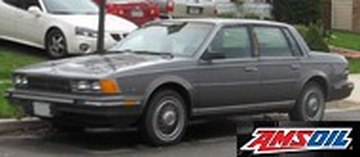
Lubrication Maintenance for the 1982 Buick CENTURY 2.5L
Maintaining the engine lubrication system in a vehicle like the 1982 Buick CENTURY with its 2.5L engine requires consistent attention to fluid condition and component integrity. Proper lubrication is fundamental to ensuring that internal engine components operate with minimal friction, which helps manage heat and prevents premature wear of moving parts.
Monitoring Fluid Condition and Potential Leaks
One of the most effective ways to monitor the health of the 2.5L engine is through regular visual inspections of the lubrication system. Owners should look for any signs of fluid seepage or active leaks around the engine block and associated sealing surfaces. Even small amounts of oil appearing on the exterior of the engine can be an early indicator that a gasket or seal may require attention.
When performing these checks, it is useful to observe the following:
- Sealing Surfaces: Inspect areas where different engine components meet for any evidence of dampness or oily residue.
- Under-Vehicle Inspection: Periodically check the ground where the vehicle is parked to see if any fluid droplets have accumulated, which can indicate a leak that only occurs when the engine is running or under specific pressure conditions.
- Fluid Appearance: If the oil level is checked, the color and consistency of the lubricant should be noted. While oil naturally darkens over time due to use, extremely thick or unusual-looking fluid may warrant further investigation into the vehicle's service history.
It is important to remember that many different factors can cause a change in how an engine handles oil. If you notice unexpected consumption or visible leaks, these symptoms should be investigated by a professional to determine the exact source.
Managing Long-Term Engine Care
As vehicles age, maintenance priorities often shift from strictly following a schedule to responding to the actual condition of the mechanical components. For a 1982 Buick CENTURY, establishing a clear baseline of the engine's current state is highly beneficial, especially if the previous service history is incomplete or unknown.
If you are beginning to manage this vehicle, start by reviewing any available maintenance records. Knowing when the oil and filter were last replaced, as well as any recent repairs, allows for more informed decision-making. If no records exist, treat the current state of all fluids and belts as your starting point. This involves checking for signs of aging in materials such as rubber hoses or accessible drive belts, if equipped. Rather than replacing parts simply because they are old, focus on components that show physical signs of deterioration, such as cracking, fraying, or glazing.
Prioritizing maintenance means addressing active concerns first—such as a visible leak or an unusual noise—before moving on to general preventive tasks. This approach ensures that resources are directed toward the most critical needs of the 2.5L engine.
Observing Potential Warning Signs
While many lubrication issues can be caught during routine inspections, some may manifest through more noticeable symptoms. Being observant of how the vehicle operates can provide early warnings that something in the lubrication or cooling system requires attention.
Potential signs to watch for include:
- Changes in Engine Sound: Any new or unusual mechanical noises during startup or while idling should be investigated promptly.
- Fluid Consumption: If you find yourself needing to add oil more frequently than usual, this may indicate that the engine is consuming lubricant, which can be caused by various internal or external factors.
- Warning Indicators: Pay close attention to any dashboard indicators related to the engine's operating status. Any unexpected light or warning should be treated as a priority for diagnostic inspection.
Because symptoms like unusual odors or changes in performance can have multiple underlying causes, they should not be used to self-diagnose a specific part failure. Instead, use these signs as a prompt to seek a professional assessment.
The Role of High-Mileage Formulations
For engines that have been in service for many years, the choice of lubricant can be an important consideration. Some high-mileage oil formulations are designed with specific additives intended for use in aging engines. These formulations may include seal-conditioning additives, which are sometimes used to help maintain the integrity of older gaskets and seals.
While these products can be a helpful tool in a maintenance strategy, they are not a substitute for addressing significant mechanical leaks. They are best utilized as part of a proactive approach to managing an older engine's lubrication needs.
Ensuring Proper Lubricant Selection
When it comes time to perform service on the 2.5L engine, selecting the correct product is vital for maintaining the internal components. It is essential to avoid making assumptions based solely on the age of the vehicle or general automotive trends. Modern oil standards and synthetic technologies have evolved significantly since 1982, but they must still be applied according to the specific needs of this application.
To ensure you are using the correct product, always refer to the application-specific viscosity and lubricant information provided on this webpage. This ensures that the oil you select matches the requirements for your specific engine configuration.
Practical Tips for BUYING ENGINE OIL for your 1982 Buick CENTURY 2.5L
When you are ready to purchase new lubricant, follow these practical steps to ensure a correct match for your vehicle:
- Match the Application Data: The most important step is to match your selection directly to the viscosity and specifications listed in the application information on this page.
- Verify Product Labels: Before completing your purchase, double-check the bottle or container label to confirm that the SAE viscosity matches what is required for your 1982 Buick CENTURY.
- Consider Formulation Types: Depending on your engine's current condition and your maintenance goals, you may choose between conventional, synthetic blend, or full synthetic oils. If the engine shows signs of high mileage, you might also consider formulations specifically labeled for that purpose.
- Check Quality Certifications: Look for appropriate API (American Petroleum Institute) certifications on the packaging to ensure the oil meets modern quality and performance standards.